
Should I Form an LLC for My Coaching Practice?
Apr 10, 2026
As a solo coach, do you really need to form an LLC — or is staying a sole proprietor just fine? How do you know which option is right for your coaching business?
Not necessarily. Many coaches operate as sole proprietors, while an LLC can provide greater separation between personal and business assets. The right structure depends on your business, risk level, growth plans, and state requirements. If you’re unsure which option is right for you, consider speaking with a qualified legal or business professional.
The truth is, there’s no one-size-fits-all answer. Each structure has its own pros, cons, and considerations — and the right path depends on your goals, your comfort with paperwork, and the level of protection you want.
In this article, we’ll walk through the differences between operating as a sole proprietor and setting up an LLC. You’ll learn the benefits, limitations, and key factors to think about — so you can make an informed, intentional decision for your practice.
💡 A gentle reminder before we begin—this article is meant to educate, not offer legal advice. Every practice is different, so if questions come up, a small business attorney is your best next step.


It’s the simplest option — minimal setup, little paperwork, and taxes are filed through your personal return. That simplicity is why many coaches start (or stay) here.
💡 While it may not be required, a best practice for sole proprietors is to keep personal and business expenses separate for easier tracking.

An LLC requires a bit more effort to set up, but it comes with an important benefit: personal asset protection. When you operate as an LLC and keep your business finances clearly separated, your personal assets — like your home, savings, or car — are generally protected if a claim is made against your business.
Each state has its own process and fees for forming an LLC, but in many cases, it’s something you can complete online. That said, working with a small business attorney or CPA can be helpful if you want guidance or have a more complex setup.
💡 Consider reviewing trusted resources or speaking with a professional to better understand how business structures apply to coaching.

How Do I Choose Between Sole Proprietor or LLC?
Deciding how to structure your coaching practice means thinking ahead: how you want to grow, what level of protection feels right for you, and how much time or effort you're ready to invest in setup and maintenance.
Here are a few questions to help guide your decision:
- Am I just starting out, or do I have an established client base?
- Do I plan to stay solo, or might I expand my services or team in the future?
- Would I feel more confident having a clear separation between my business and personal finances?
- Am I comfortable managing additional paperwork each year for increased protection?
- Do I have personal assets I want to protect?
➡️ Staying a Sole Proprietor Might Make Sense If:
- You’re just getting started and want to keep things simple
- You prefer minimal setup and straightforward tax filing
- You’re not ready to take on additional administrative tasks or fees
➡️ Forming an LLC Might Make Sense If:
- You want to formally separate your personal and business assets
- You’re thinking long-term and want to build more structure into your business
Remember, this decision doesn’t have to be permanent. Many coaches begin as sole proprietors and transition to an LLC later. What matters is choosing the structure that supports your practice now, with the flexibility to adjust as your needs evolve.
💡 Note: Forming an LLC doesn’t automatically change how your taxes are filed. In many cases, a single-member LLC is still taxed like a sole proprietor unless you elect a different tax classification.
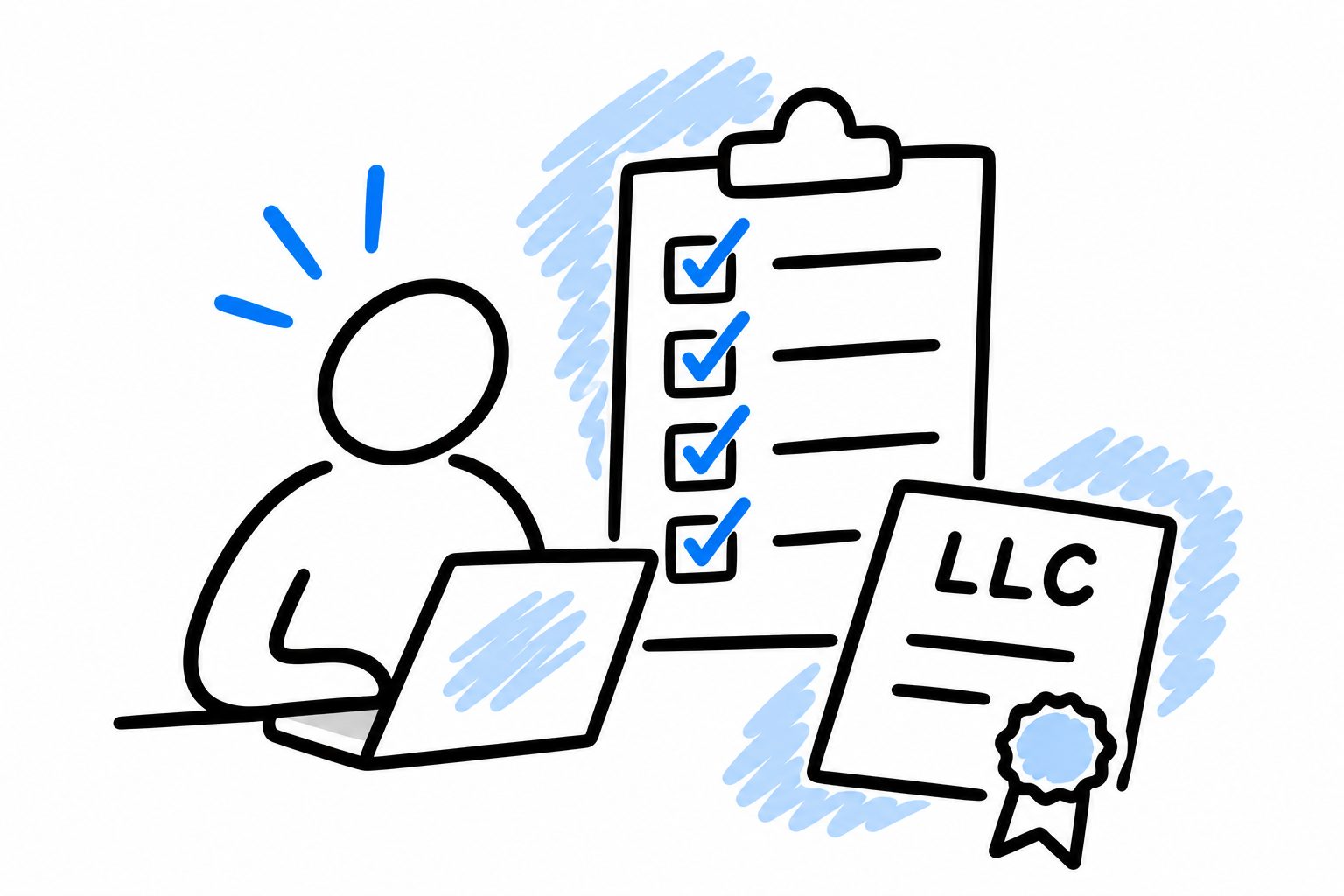
💡 Most coaches operate as either a sole proprietor or a single-member LLC. If you plan to expand your business or hire others, you may explore additional structures, such as corporations or alternative tax elections.

What’s Next: Choose Your Coaching Business Structure with Confidence
Choosing between a sole proprietorship and an LLC is an important step in shaping your coaching practice. The right choice depends on your goals, your comfort level with risk, and how you plan to grow.
Whether you’re keeping things simple or creating more structure, what matters most is that your business setup is intentional, informed, and aligned with your work.
If you’re unsure which direction to take, consider connecting with a small business attorney or CPA in your state. They can help you understand your options and ensure your business is set up in a way that supports you now and in the future.
Once your structure is in place, the next step is making sure your coaching practice is properly supported and protected.
APC membership includes professional and general liability insurance designed specifically for coaches, along with resources that support responsible practice, clear boundaries, and professional credibility.
We’re here to support you as you build a coaching practice with clarity, confidence, and stability.
Disclaimer:
This article is for educational purposes only and does not provide legal, financial, or medical advice. The examples are general, and coverage may vary by policy. Always refer to your insurance provider or policy language for specific details, as policy terms take precedence. For legal concerns related to your practice, consult an attorney.